.webp)


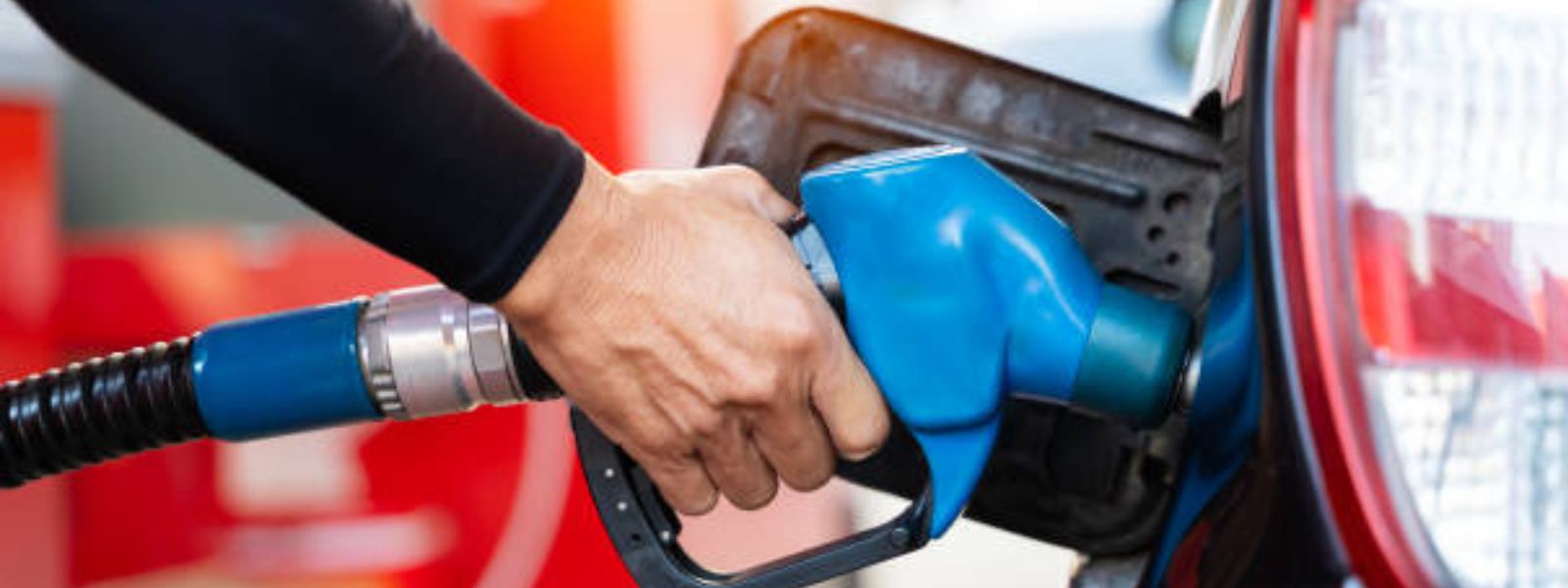
Transport Sector Calls for Distance-Based Fuel Distribution



.png )
COLOMBO (News 1st); Representatives from Sri Lanka’s transport sector have raised concerns that fuel allocations under the QR-based fuel system are insufficient, warning that continued shortages could disrupt essential transport services.
Chairman of the All-Ceylon United Transport Associations Federation, Sampath Ranasinghe, said transport operators understand that the current situation is part of a global crisis and have no dispute with that reality. However, he urged the government to revise fuel allocations based on actual operational needs.
Ranasinghe said fuel distribution should be calculated according to the number of kilometres travelled, with the required amount assessed on a weekly basis and issued through the QR system.
He stressed that this approach should reflect the actual usage recorded through the QR card, particularly for public passenger transport. He added that similar assessments should be carried out for office transport services and school transport services, with fuel allocations adjusted accordingly.
Meanwhile, Malshree de Silva, Chairman of the All-Ceylon School Children Transport Professionals Association, warned that current fuel limits threaten the continuity of school transport services. He said school transport relies heavily on dual-purpose vehicles and vans, which are currently allocated only 20 litres of fuel.
“With 20 litres, a vehicle travelling from Negombo to Colombo can barely return home, leaving no fuel to operate the following day,” he said, adding that if the situation continues, school transport services will be disrupted.
De Silva also noted that air-conditioned buses require between 30 and 40 litres per day, depending on distance, but are not receiving adequate fuel, and called for the QR system to be implemented in a way that realistically meets operational needs.
Chairman of the All-Ceylon Office Employees Transport Association, Sarath Gamage, echoed similar concerns, saying office transport buses operate from all parts of the country to Colombo. He said the fuel currently provided is insufficient, noting that some operators report fuel consumption of around 125 litres per bus. Gamage warned that this shortfall makes it increasingly difficult for operators to continue running services.
Vice Chairman of the All-Ceylon Professional Drivers Association, Fazli Arji, said the weekly allocation of 15 litres for drivers is inadequate. He said a minimum of 35 litres is required for drivers to continue working and earning a living.
Arji stressed that the public also depends on these services, warning that if fuel shortages persist, daily life will be disrupted. He noted that not everyone owns private vehicles, even for small tasks, and said that if the QR system is implemented properly, drivers will be able to carry out their work when it is their turn.
Transport sector representatives are urging authorities to revisit fuel quotas under the QR system to ensure that essential services can continue without interruption.
Other Articles
-831142_550x300.jpg)



-831106_550x300.jpg)


Featured News


News 1st, MTV Channel (Pvt) Ltd, MBC Networks (Pvt) Ltd, 45/3, Braybrooke Street, Colombo-02.
T.P : +94 114 792 700, Fax : +94 114 792 733
T.P : +94 114 792 700, Fax : +94 114 792 733




 |  | .webp) |
|---|---|---|
 |  |  |
 |  |  |
 |
